सर्वे
सर्वे
-
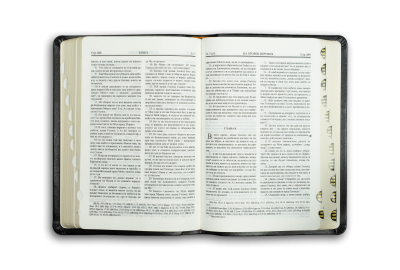
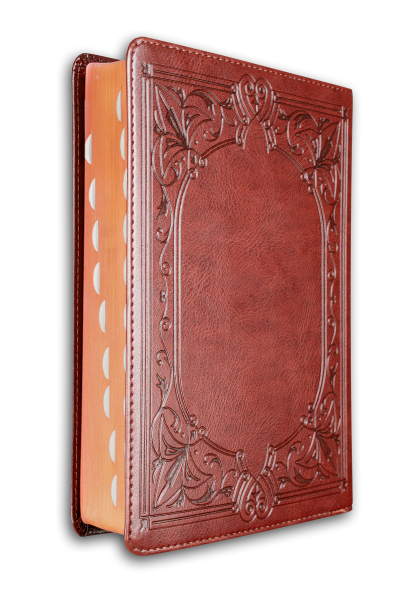
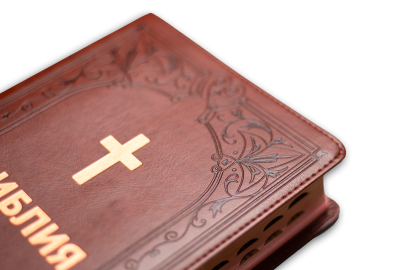
बाइबिल (लघु प्रारूप, बर्दो)
-40%السعر: The symbol "$" is used universally as a representation of currency and does not have a direct translation in Sanskrit. It is commonly referred to as "डॉलर" (ḍālara) when specifying the U.S. dollar. However, since you requested only the symbol translation,13.17قم بسرد الأسعار:
The symbol "$" is used universally as a representation of currency and does not have a direct translation in Sanskrit. It is commonly referred to as "डॉलर" (ḍālara) when specifying the U.S. dollar. However, since you requested only the symbol translation,21.95discounts infoDiscounts infoالسعر: The symbol "$" is used universally as a representation of currency and does not have a direct translation in Sanskrit. It is commonly referred to as "डॉलर" (ḍālara) when specifying the U.S. dollar. However, since you requested only the symbol translation,13.17قم بسرد الأسعار:The symbol "$" is used universally as a representation of currency and does not have a direct translation in Sanskrit. It is commonly referred to as "डॉलर" (ḍālara) when specifying the U.S. dollar. However, since you requested only the symbol translation,21.95الخصم: The symbol "$" is used universally as a representation of currency and does not have a direct translation in Sanskrit. It is commonly referred to as "डॉलर" (ḍālara) when specifying the U.S. dollar. However, since you requested only the symbol translation,8.78 (40.00%)सिनोडालन (१९८२):The translation for "изд. 190/130/30 mm" from Bulgarian to Sanskrit would involve retaining the numerical and unit components as they are universally understood. Since "изд." likely stands for dimensions or size, you could use the Sanskrit equivalent forअन्तर्राष्ट्रीय मानक पुस्तक संख्या:9789548968911„उपलब्धम्
“ -
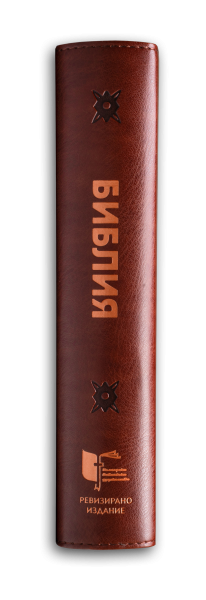
बाइबिल (महानिर्देशिका, मुक्तिकृतवर्णः दारुणकायः)
-40%السعر: The symbol "$" is used universally as a representation of currency and does not have a direct translation in Sanskrit. It is commonly referred to as "डॉलर" (ḍālara) when specifying the U.S. dollar. However, since you requested only the symbol translation,27.66قم بسرد الأسعار:
The symbol "$" is used universally as a representation of currency and does not have a direct translation in Sanskrit. It is commonly referred to as "डॉलर" (ḍālara) when specifying the U.S. dollar. However, since you requested only the symbol translation,46.10discounts infoDiscounts infoالسعر: The symbol "$" is used universally as a representation of currency and does not have a direct translation in Sanskrit. It is commonly referred to as "डॉलर" (ḍālara) when specifying the U.S. dollar. However, since you requested only the symbol translation,27.66قم بسرد الأسعار:The symbol "$" is used universally as a representation of currency and does not have a direct translation in Sanskrit. It is commonly referred to as "डॉलर" (ḍālara) when specifying the U.S. dollar. However, since you requested only the symbol translation,46.10الخصم: The symbol "$" is used universally as a representation of currency and does not have a direct translation in Sanskrit. It is commonly referred to as "डॉलर" (ḍālara) when specifying the U.S. dollar. However, since you requested only the symbol translation,18.44 (40.00%)समीक्षितं संस्करणम् (२०१५)।:अन्तर्राष्ट्रीय मानक पुस्तक संख्या:9786197454451„उपलब्धम्
“ -
बाइबिल (मध्यम आकारः, हरिता)।
सिनोडालन (१९८२):संप. २१५/१५०/४० मि.मी.अन्तर्राष्ट्रीय मानक पुस्तक संख्या:9786197454321Apologies, but there might be some confusion. Sanskrit (sa) doesn't have a specific term for contemporary concepts like "out of stock" often used in digital or commercial contexts. Traditionally, Sanskrit hasn't been used for modern retail scenarios. However, if you're looking for a contextual translation, you might use a phrase that describes the item's unavailability, but it won't be a direct translation due to cultural and temporal differences: ```html
✗ अप्राप्य
``` Here, "अप्राप्य" (aprāpya) implies "unavailable" or "that which cannot be obtained," which can be suitable for conveying the message in a classical context. However, this would be an adaptation rather than a direct technical translation. -
नवीनं नियमः च Psalter (श्वेतः)
-40%السعر: The symbol "$" is used universally as a representation of currency and does not have a direct translation in Sanskrit. It is commonly referred to as "डॉलर" (ḍālara) when specifying the U.S. dollar. However, since you requested only the symbol translation,9.22قم بسرد الأسعار:
The symbol "$" is used universally as a representation of currency and does not have a direct translation in Sanskrit. It is commonly referred to as "डॉलर" (ḍālara) when specifying the U.S. dollar. However, since you requested only the symbol translation,15.37discounts infoDiscounts infoالسعر: The symbol "$" is used universally as a representation of currency and does not have a direct translation in Sanskrit. It is commonly referred to as "डॉलर" (ḍālara) when specifying the U.S. dollar. However, since you requested only the symbol translation,9.22قم بسرد الأسعار:The symbol "$" is used universally as a representation of currency and does not have a direct translation in Sanskrit. It is commonly referred to as "डॉलर" (ḍālara) when specifying the U.S. dollar. However, since you requested only the symbol translation,15.37الخصم: The symbol "$" is used universally as a representation of currency and does not have a direct translation in Sanskrit. It is commonly referred to as "डॉलर" (ḍālara) when specifying the U.S. dollar. However, since you requested only the symbol translation,6.15 (40.00%)सिनोडालन (१९८२):संस्क. 205/135/15 मि.मी.अन्तर्राष्ट्रीय मानक पुस्तक संख्या:9786197454413„उपलब्धम्
“ -
धर्मग्रन्थः (मध्यमः आकारः, श्वेतः)।
-40%السعر: The symbol "$" is used universally as a representation of currency and does not have a direct translation in Sanskrit. It is commonly referred to as "डॉलर" (ḍālara) when specifying the U.S. dollar. However, since you requested only the symbol translation,16.46قم بسرد الأسعار:
The symbol "$" is used universally as a representation of currency and does not have a direct translation in Sanskrit. It is commonly referred to as "डॉलर" (ḍālara) when specifying the U.S. dollar. However, since you requested only the symbol translation,27.44discounts infoDiscounts infoالسعر: The symbol "$" is used universally as a representation of currency and does not have a direct translation in Sanskrit. It is commonly referred to as "डॉलर" (ḍālara) when specifying the U.S. dollar. However, since you requested only the symbol translation,16.46قم بسرد الأسعار:The symbol "$" is used universally as a representation of currency and does not have a direct translation in Sanskrit. It is commonly referred to as "डॉलर" (ḍālara) when specifying the U.S. dollar. However, since you requested only the symbol translation,27.44الخصم: The symbol "$" is used universally as a representation of currency and does not have a direct translation in Sanskrit. It is commonly referred to as "डॉलर" (ḍālara) when specifying the U.S. dollar. However, since you requested only the symbol translation,10.98 (40.00%)सिनोडालन (१९८२):संप. २१५/१५०/४० मि.मी.अन्तर्राष्ट्रीय मानक पुस्तक संख्या:9786197454420„उपलब्धम्
“ -
बाइबिल (मध्यम आकार, बर्दो)
सिनोडालन (१९८२):संप. २१५/१५०/४० मि.मी.अन्तर्राष्ट्रीय मानक पुस्तक संख्या:9786197454307Apologies, but there might be some confusion. Sanskrit (sa) doesn't have a specific term for contemporary concepts like "out of stock" often used in digital or commercial contexts. Traditionally, Sanskrit hasn't been used for modern retail scenarios. However, if you're looking for a contextual translation, you might use a phrase that describes the item's unavailability, but it won't be a direct translation due to cultural and temporal differences: ```html
✗ अप्राप्य
``` Here, "अप्राप्य" (aprāpya) implies "unavailable" or "that which cannot be obtained," which can be suitable for conveying the message in a classical context. However, this would be an adaptation rather than a direct technical translation. -
बाइबिलम् (विपुलाकारः, नीलवर्णः, दृढवस्त्रावरणः)
السعر: The symbol "$" is used universally as a representation of currency and does not have a direct translation in Sanskrit. It is commonly referred to as "डॉलर" (ḍālara) when specifying the U.S. dollar. However, since you requested only the symbol translation,28.54नव अनुवाद:प्र. २३३/१६८/३७ मिमीअन्तर्राष्ट्रीय मानक पुस्तक संख्या:9786197454246„
उपलब्धम्
“ -
धर्मः - धर्माणां इतिहासः, ५ श्रेणी (पाठ्यपुस्तकं च अभ्यासपुस्तिकं च)
السعر: The symbol "$" is used universally as a representation of currency and does not have a direct translation in Sanskrit. It is commonly referred to as "डॉलर" (ḍālara) when specifying the U.S. dollar. However, since you requested only the symbol translation,7.68अन्तर्राष्ट्रीय मानक पुस्तक संख्या:9786197454338„
उपलब्धम्
“ -
बालकाः बाइबिलं पठन्ति।
السعر: The symbol "$" is used universally as a representation of currency and does not have a direct translation in Sanskrit. It is commonly referred to as "डॉलर" (ḍālara) when specifying the U.S. dollar. However, since you requested only the symbol translation,15.37सिनोडालन (१९८२):प्रका. २३५/१६५/१७ मिमीअन्तर्राष्ट्रीय मानक पुस्तक संख्या:9786197454406„
उपलब्धम्
“ -
नवीनं नियमः च स्तोत्राणि
السعر: The symbol "$" is used universally as a representation of currency and does not have a direct translation in Sanskrit. It is commonly referred to as "डॉलर" (ḍālara) when specifying the U.S. dollar. However, since you requested only the symbol translation,9.88नव अनुवाद:प्र. 210/140/20 मि.मी.अन्तर्राष्ट्रीय मानक पुस्तक संख्या:9786197454390„
उपलब्धम्
“ -
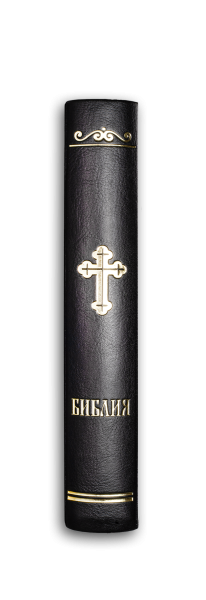
बाइबिल (वृहद् आकारः, कृष्णरङ्गः, दृढावृतः)
-40%السعر: The symbol "$" is used universally as a representation of currency and does not have a direct translation in Sanskrit. It is commonly referred to as "डॉलर" (ḍālara) when specifying the U.S. dollar. However, since you requested only the symbol translation,21.07قم بسرد الأسعار:
The symbol "$" is used universally as a representation of currency and does not have a direct translation in Sanskrit. It is commonly referred to as "डॉलर" (ḍālara) when specifying the U.S. dollar. However, since you requested only the symbol translation,35.12discounts infoDiscounts infoالسعر: The symbol "$" is used universally as a representation of currency and does not have a direct translation in Sanskrit. It is commonly referred to as "डॉलर" (ḍālara) when specifying the U.S. dollar. However, since you requested only the symbol translation,21.07قم بسرد الأسعار:The symbol "$" is used universally as a representation of currency and does not have a direct translation in Sanskrit. It is commonly referred to as "डॉलर" (ḍālara) when specifying the U.S. dollar. However, since you requested only the symbol translation,35.12الخصم: The symbol "$" is used universally as a representation of currency and does not have a direct translation in Sanskrit. It is commonly referred to as "डॉलर" (ḍālara) when specifying the U.S. dollar. However, since you requested only the symbol translation,14.05 (40.00%)नव अनुवाद:प्र. २३३/१६८/३७ मिमीअन्तर्राष्ट्रीय मानक पुस्तक संख्या:9786197454031„उपलब्धम्
“ -
धर्मः - मन्दिरसंस्कृतिः, षष्ठः वर्गः (पाठ्यपुस्तकम् च पाठनपुस्तिका च)
السعر: The symbol "$" is used universally as a representation of currency and does not have a direct translation in Sanskrit. It is commonly referred to as "डॉलर" (ḍālara) when specifying the U.S. dollar. However, since you requested only the symbol translation,7.68अन्तर्राष्ट्रीय मानक पुस्तक संख्या:9780195334579„
उपलब्धम्
“








Page 1 of 3